It’s a common problem many women experience as they age. Incontinence is annoying and embarrassing at best, but there are steps you can take to reduce or stop it.
How Incontinence Starts
Before you begin to treat the problem, it’s important to know exactly what’s causing your bladder leakage. The first step is to get checked by a doctor for any signs of urinary tract infections (UTIs), bladder stones or other problems that can cause incontinence pads.
If these tests come back negative – meaning you’re in good health – then the problem is likely a weak pelvic floor. The muscles and ligaments that support your bladder, uterus and bowels start to lose their strength as you age or after childbirth.
Treatments for Urinary Incontinence
Once diagnosed with urinary incontinence, there are many things you can do to manage the problem. First, make sure you get plenty of fluids to keep your bladder well-hydrated and healthy.
Next, avoid caffeine, alcohol and carbonated drinks that can irritate your bladder. Also avoid acidic foods such as tomatoes or citrus fruits since they may cause irritation when they come in contact with the bladder walls.
In addition to dietary changes, here are other ways you can help improve your bladder control:
- Kegel exercises. Tighten and hold the muscles you’d use to stop urinating for 10 seconds. Relax and then do it again 10 times in a row. Do this exercise three times a day for maximum benefit. You can also try doing Kegels while you’re on the toilet, which will help reinforce the connection between your muscles and bladder.
- Lose weight if overweight or obese. Carrying extra pounds can place more pressure on your bladder, making leakage more likely.
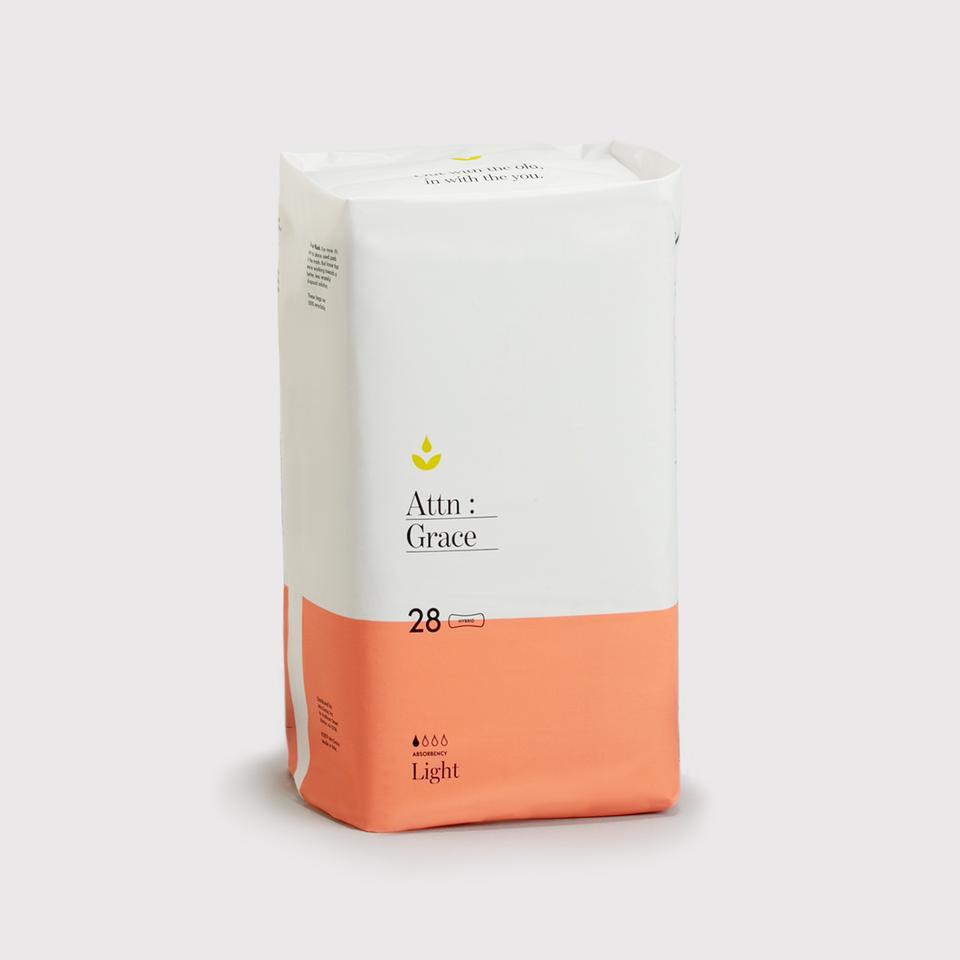
- Wear a sanitary pad with an incontinence liner to absorb any leaks. You may need a different size depending on the severity of your condition.
- For stress incontinence, which is when you leak urine as a result of activities such as coughing or sneezing, try kegel exercises and avoid those activities that trigger leakage. You can also place a small ball in your vagina for 15 minutes at a time three times each day to strengthen the muscles that surround your urethra.
Learn more about treating incontinence at night here
How to Stop Incontinence At Night
Many people are embarrassed or afraid to talk about their bladder problems, particularly when faced with an unexpected leak during the day. Now you can find support and tips on how to stop incontinence at night right here.
It’s a common problem for women as they age and can be caused by pregnancy, childbirth or other factors. There are many treatments available to help stop leakage and get your bladder back on track.
First, make sure you get plenty of fluids to keep your bladder well-hydrated and healthy. Don’t drink caffeinated coffee, tea and soda and avoid acidic foods such as tomatoes or citrus fruits. This will help reduce any bladder irritation that may be causing your incontinence.
 Arun kumar